Decoding Regulatory Shifts in Digital Gaming Ecosystems and Their Effects on Reward Allocation Patterns Across Portable Platforms
Erik Powell · Aug 29, 2026
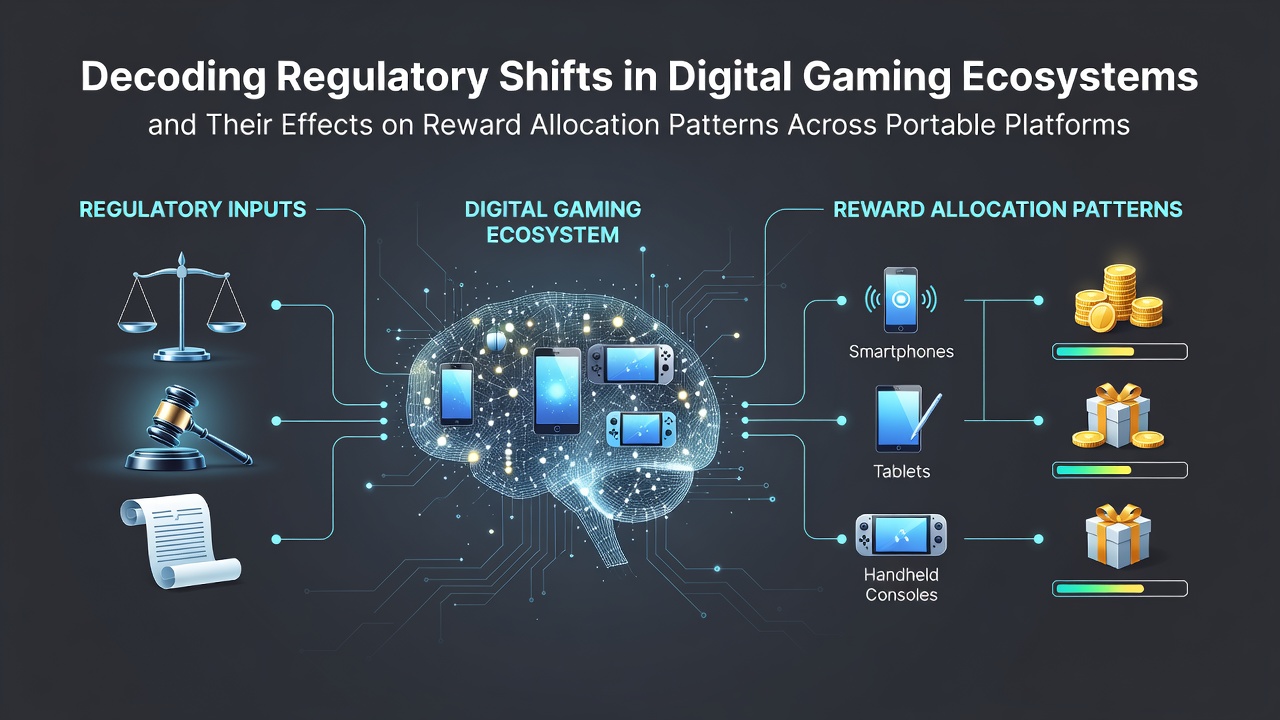
Decoding Regulatory Shifts in Digital Gaming Ecosystems and Their Effects on Reward Allocation Patterns Across Portable Platforms
Regulatory Landscape Evolves in Digital Gaming
Regulatory bodies across multiple jurisdictions have introduced updated frameworks for digital gaming since early 2025, and these changes directly influence how reward systems operate on portable platforms. Licensing requirements now mandate greater transparency in algorithmic reward distribution, which means operators must document how multipliers, free credits, and tiered bonuses reach players through mobile applications. Data from government reports shows that compliance with these rules has altered the timing and frequency of reward triggers in app-based environments.
Authorities in North America and Europe have aligned certain standards around player verification processes, while jurisdictions in Asia-Pacific regions focus on cross-border data handling for reward ledgers. The Alcohol and Gaming Commission of Ontario updated its technical standards in spring 2026, requiring real-time reporting of reward allocation metrics from mobile sessions, and this requirement has prompted developers to adjust backend systems accordingly.
Impacts on Reward Allocation in Portable Environments
Portable platforms present unique challenges for reward allocation because sessions occur across variable network conditions and device storage limits. Updated regulations emphasize audit trails that track every credit or multiplier from issuance to redemption, and this has led to standardized APIs that synchronize reward data between operators and regulators. Studies from research institutions indicate that such synchronization reduces discrepancies in reported bonus values by measurable percentages in tested markets.
Operators have responded by redesigning mobile interfaces so that reward notifications appear only after certification checks complete, and this sequence affects how quickly players access layered incentives. Figures from industry analyses reveal that jurisdictions enforcing these protocols see shifts in average session lengths on tablets and smartphones, particularly when reward tiers depend on verified deposit patterns.
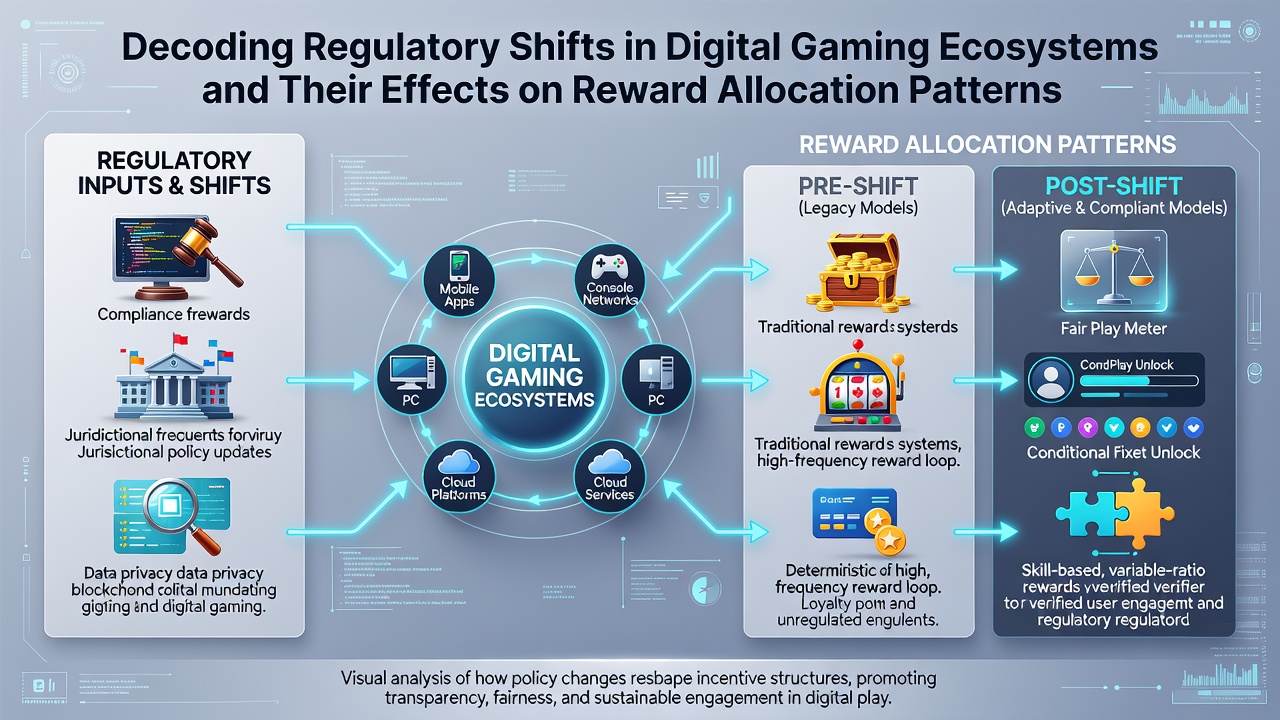
Regional Variations and Technical Adjustments
European Union member states have coordinated efforts through the European Gaming and Betting Association to standardize certification for live dealer variants accessible on mobile, and these efforts extend to reel-based games where multiplier triggers must now log additional metadata. In contrast, Australian state regulators have emphasized responsible allocation limits that cap cumulative rewards per device within defined periods, which influences how welcome incentives distribute across app ecosystems.
August 2026 saw several U.S. state gaming commissions release joint guidance on portable platform compliance, and this guidance addresses how deposit flexibility interacts with game variant selection under new reward rules. Developers report that adapting to these guidelines requires updates to both client-side and server-side components to maintain consistent allocation across iOS and Android environments. One case involved a major operator revising its VIP tier progression after regulators flagged inconsistencies in mobile versus desktop reward delivery.
Data Patterns and Certification Influences
Certification bodies now require independent testing of random number generators and reward algorithms before mobile releases, and this process has lengthened approval timelines in several markets. Research papers from academic centers document correlations between stricter certification and changes in jackpot frequency on certified portable titles, while audit requirements have increased the granularity of data shared with oversight agencies.
Those who monitor industry metrics note that reward allocation patterns on portable platforms increasingly tie to verified user locations and device identifiers, and this linkage supports compliance with regional spending caps. Evidence from regulatory filings shows that operators using blockchain-based ledgers for reward tracking achieve faster reconciliation during audits compared with traditional databases.
Conclusion
Regulatory shifts continue to reshape reward allocation across digital gaming ecosystems, and portable platforms bear the brunt of these technical and procedural adjustments. Jurisdictions maintain distinct priorities yet share common demands for transparency and verifiable distribution mechanisms. Ongoing updates through late 2026 will likely refine these frameworks further as data collection improves and cross-border coordination expands.